Finding a silver prom dress under $100 often feels like striking gold in the world of formalwear shopping. Silver is one of the most visually striking tones in prom fashion, associated with luxury, red carpet aesthetics, and high-shine glamour. Naturally, many shoppers assume that even at a low price point, they can still achieve that metallic, reflective, camera-ready look without compromise.
However, the reality behind a silver prom dress under $100 is more nuanced. Price directly affects fabric quality, shine intensity, construction detail, and even how the dress behaves under lighting. What looks like “metallic silver” online may actually be satin gray, glitter-coated polyester, or printed shimmer fabric when seen in real life. This gap between expectation and reality is where most buying mistakes happen.
This guide from Argenté breaks down the real structure of silver prom dress under $100 options, what fabrics are actually used, how they perform in real lighting conditions, and what styling strategies can elevate budget dresses to still look elegant, polished, and prom-ready.
Are Silver Prom Dresses Under $100 Actually Realistic?
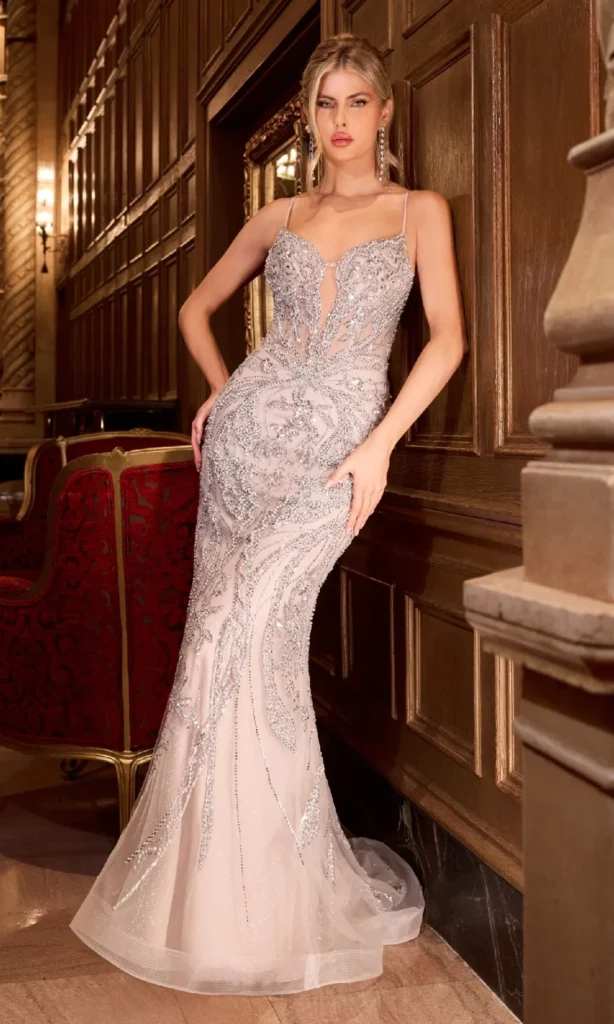
The idea of a silver prom dress under $100 is absolutely real, but the definition of “silver” changes significantly at this price range. In professional fashion production, true metallic silver fabrics require specialized weaving, coating, or sequin application techniques that increase manufacturing cost.
In fashion cost structure analysis, three main factors determine dress pricing:
- fabric technology (basic polyester vs metallic weave)
- embellishment complexity (flat print vs sequins vs layered detailing)
- construction precision (mass production vs structured tailoring)
At under $100, at least one of these areas is simplified. This means most silver dresses in this range rely on visual imitation rather than true reflective metallic engineering.
In affordable glam fashion psychology, this creates a key distinction:
- luxury silver = light-reactive fabric system
- budget silver = shine simulation system
Understanding this difference is essential before evaluating product quality.
What You Actually Get in a Silver Prom Dress Under $100
When analyzing the silver prom dress under $100 category, there are three dominant fabric directions used in mass market production.
Polyester Satin Silver Dresses
One of the most common options is polyester satin with a silver tint. In polyester sheen behavior analysis, this fabric does not reflect light like metal but instead produces a soft glow.
Key characteristics:
- smooth surface with low-intensity shine
- lightweight drape suitable for simple silhouettes
- consistent color appearance under indoor lighting
This category fits within minimal glam aesthetic direction, where elegance is created through shape rather than surface brilliance.
It does not deliver high-impact metallic shine, but it provides a wearable, soft formal look that works well for controlled styling environments.
Sequin Silver Dresses
Sequin-based dresses are the closest visual alternative to luxury silver gowns in budget fashion. In sequin density visual performance theory, shine is created by individual reflective pieces stitched onto fabric.
Key characteristics:
- strong sparkle under artificial lighting
- high visibility in movement
- dramatic visual impact in photography
In reflective fabric prom dress behavior, sequins create point-based reflection rather than full-surface metallic glow. This means the dress shines in fragments instead of continuous light flow.
This is why sequin dresses are often considered the most effective option for a silver prom dress under $100 if visual impact is the priority.
Glitter and Printed Metallic Dresses
The lowest-cost category uses printed or coated effects instead of real reflective materials. In visual illusion in budget fashion systems, this method simulates shine using surface printing techniques.
Key characteristics:
- flat metallic appearance
- limited depth in photography
- reduced durability after wear
While visually appealing at a distance, these dresses lose impact under close lighting or high-resolution photography.
Fabric Reality Check: Why Budget Silver Looks Different
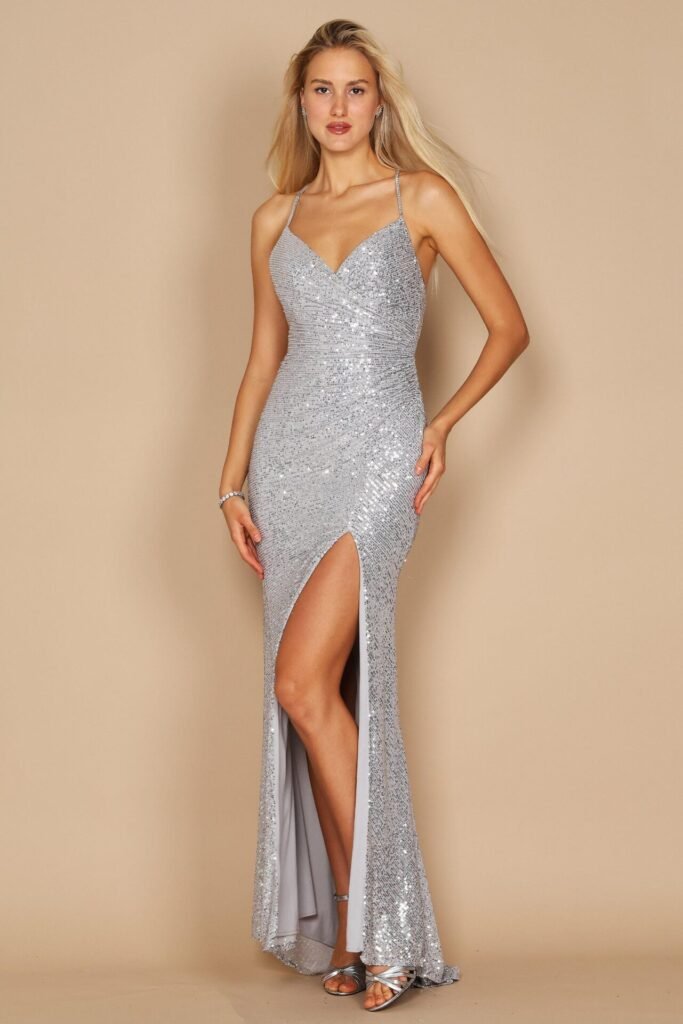
The biggest limitation of a silver prom dress under $100 is not design, but fabric behavior under light.
Reflective Fabric vs Synthetic Shine
In luxury formalwear, metallic fabrics are engineered to interact with light dynamically. In contrast, budget fabrics often produce surface-level shine.
In lighting response cheap fabric systems:
- premium silver → layered reflection + depth
- budget silver → flat shimmer + surface glow
This difference becomes especially visible in flash photography, where premium dresses appear multidimensional while budget dresses appear more uniform.
Sequin Density and Visual Quality
Sequin placement determines perceived quality. In aesthetic optimization under constraints, budget dresses often reduce sequin density to control cost.
This results in:
- uneven shine distribution
- less consistent reflection in motion
- reduced luxury perception in close-up photos
However, strategically placed sequins can still create strong visual impact if styling is optimized correctly.
Lighting Impact on Budget Dresses
Lighting plays a major role in how a silver prom dress under $100 appears.
In event lighting fashion adaptation:
- indoor warm light → softens imperfections
- flash photography → highlights texture limits
- natural light → reduces perceived shine intensity
This is why two identical dresses can look completely different depending on environment.
Silver vs Gray Budget Dresses: Key Difference
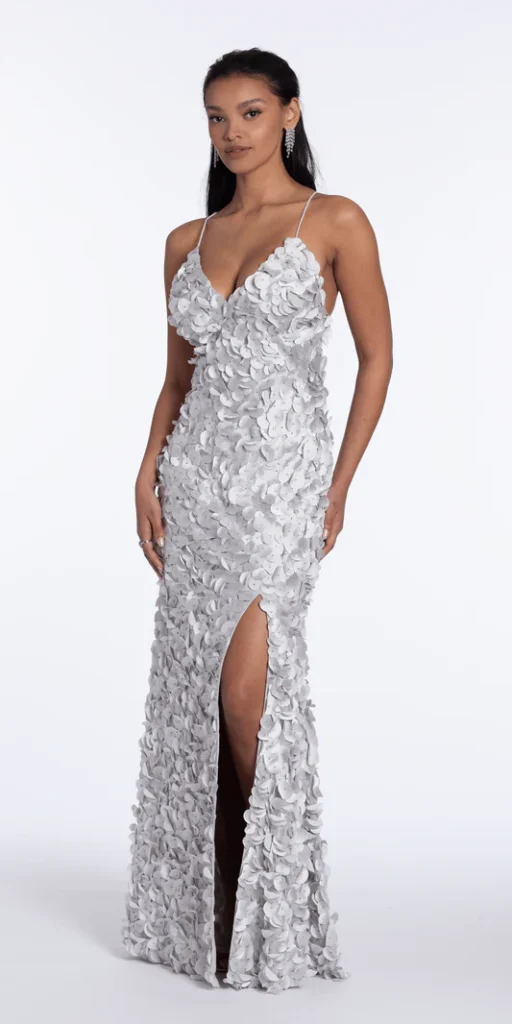
The difference between metallic silver and gray prom dresses becomes especially important at lower price points.
Gray Dresses: More Stable in Budget Range
Gray dresses are often more reliable in budget fashion because they do not depend on reflective materials.
In fabric cost structure in formalwear:
- matte fabrics are cheaper and more consistent
- less dependent on manufacturing precision
- easier to maintain visual stability
This makes gray a safer option for predictable styling results.
Silver Dresses: Higher Impact but Less Stability
Silver dresses provide stronger visual presence but require better styling control.
In styling compensation strategy:
- accessories must be minimal
- makeup must be balanced
- lighting environment becomes crucial
Silver is high-risk, high-reward in budget fashion.
How to Make a Cheap Silver Dress Look Expensive
Even within budget constraints, styling can significantly elevate perceived quality.
Shoe Strategy
In budget glam styling theory:
- nude heels elongate silhouette
- minimal metallic shoes maintain balance
- avoid heavy embellishment footwear
Makeup Strategy
- soft smokey eyes for depth
- neutral lips for balance
- controlled highlight application
Hair Strategy
- sleek ponytail for modern clean look
- soft waves for romantic balance
- low bun for elegance control
Best Types of Silver Dresses Under $100
Within this category, certain silhouettes perform better visually.
- sequin bodycon dresses (high impact)
- satin slip dresses (soft elegance)
- A-line budget gowns (balanced structure)
- gray-silver hybrid dresses (most versatile)
Common Buying Mistakes
In consumer expectation gap analysis, common mistakes include:
- assuming all silver fabrics are reflective
- over-accessorizing textured dresses
- ignoring lighting conditions
- choosing wrong silhouette for fabric type
Modern Trend Insight
In prom fashion accessibility trends, demand remains high due to:
- social media glam aesthetics
- fast fashion affordability
- camera-first styling behavior
Silver continues to be one of the most visually desirable prom colors despite budget limitations.
Modern Trend Evolution: Why Silver Prom Dresses Under $100 Are Still in Demand
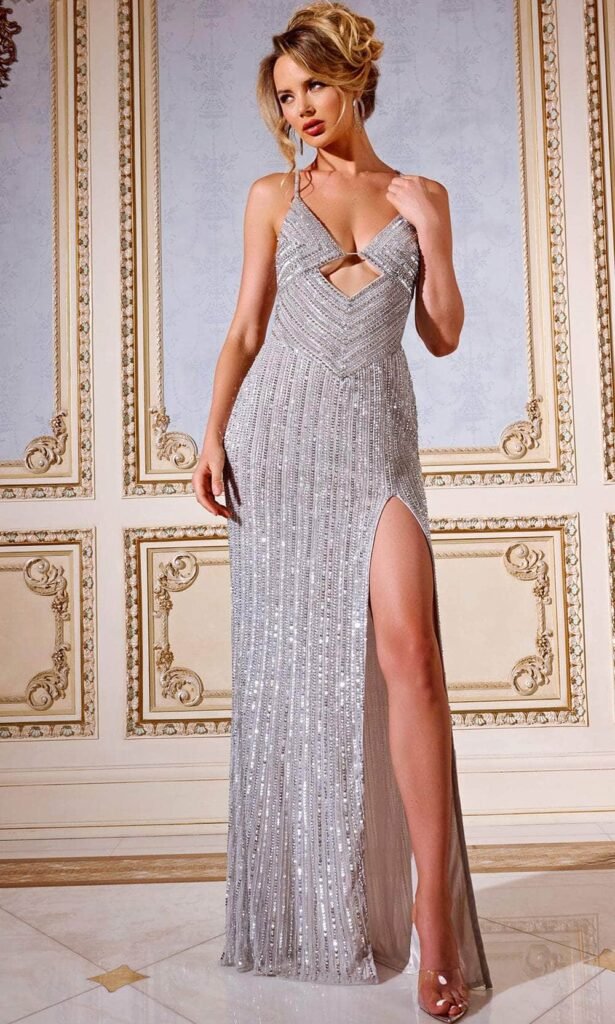
Even with clear limitations in fabric quality and construction, the silver prom dress under $100 category continues to grow in popularity. This is not accidental. It reflects a larger shift in how formalwear is consumed in the digital age, where appearance on camera often matters more than physical textile luxury.
In prom fashion accessibility trends, silver remains one of the most searched colors because it delivers immediate visual impact. On social media, dresses are judged in motion, under flash, and in short-form video clips. This environment favors shine, sparkle, and reflective surfaces, even if the material itself is budget-friendly.
In fashion perceived value psychology, silver creates a strong illusion of luxury because the human eye associates reflection with high cost. Even if the fabric is polyester or sequin-based, the visual effect can still feel elevated when styled correctly.
However, this trend also explains why expectations are often unrealistic. Many shoppers expect luxury-level metallic depth at a fast fashion price point, which is where disappointment typically begins.
Social Media and “Camera First” Dressing Behavior
One of the biggest reasons the silver prom dress under $100 market remains strong is the rise of “camera-first dressing.”
In event lighting fashion adaptation, dresses are no longer evaluated only in person. They are evaluated through:
- flash photography
- TikTok video lighting
- Instagram filters
- indoor party lighting
This changes the definition of “good fabric.” Instead of durability or craftsmanship, the focus shifts to how the dress performs in short visual moments.
Silver performs especially well in this context because:
- it reflects flash light dramatically
- it creates motion sparkle in video
- it increases contrast in photos
Even budget versions can appear highly glamorous when captured in controlled lighting conditions.
Fast Fashion Influence on Silver Formalwear
In fast fashion prom dress systems, silver is one of the most replicated tones because it is visually effective even at low production cost.
Manufacturers often use:
- polyester satin bases
- foil printing techniques
- low-density sequins
These methods reduce cost while maintaining the illusion of shine.
In cheap formalwear quality comparison, this creates a clear tradeoff:
- higher accessibility
- lower fabric depth
- reduced long-term durability
But for one-night events like prom, this tradeoff is often acceptable for many buyers.
How Body Type and Styling Affect Budget Silver Dresses
Because fabric quality is limited in a silver prom dress under $100, body type and styling become significantly more important than in luxury dresses. The same dress can look completely different depending on silhouette balance and proportion control.
Petite Frames: Creating Vertical Illusion
For petite body types, the main goal is elongation. In visual hierarchy in low-cost outfits, silver can sometimes overwhelm smaller proportions if not styled correctly.
Best strategies include:
- high-waist cuts to extend leg line
- vertical sequin patterns for length illusion
- minimal layering to avoid visual heaviness
In this case, simpler silver dresses often perform better than heavily embellished ones.
Curvy Silhouettes: Controlled Shine Placement
For curvy body types, silver dresses require careful shine distribution. In fashion silhouette perception theory, reflective fabrics naturally draw attention to highlighted areas.
Recommended approaches:
- structured bodices for shape control
- medium sequin density instead of full coverage
- darker silver tones for reduced glare
This helps maintain elegance without visual overload.
Tall Frames: Maximum Flexibility
Tall body types have the most flexibility when wearing silver prom dress under $100 styles. In modern formalwear color trends, height allows stronger visual experimentation.
Tall silhouettes can support:
- full sequin gowns
- dramatic slit designs
- bold metallic contrasts
The visual impact scales naturally without distortion.
Styling System Deep Dive: How to Maximize Budget Silver Dresses
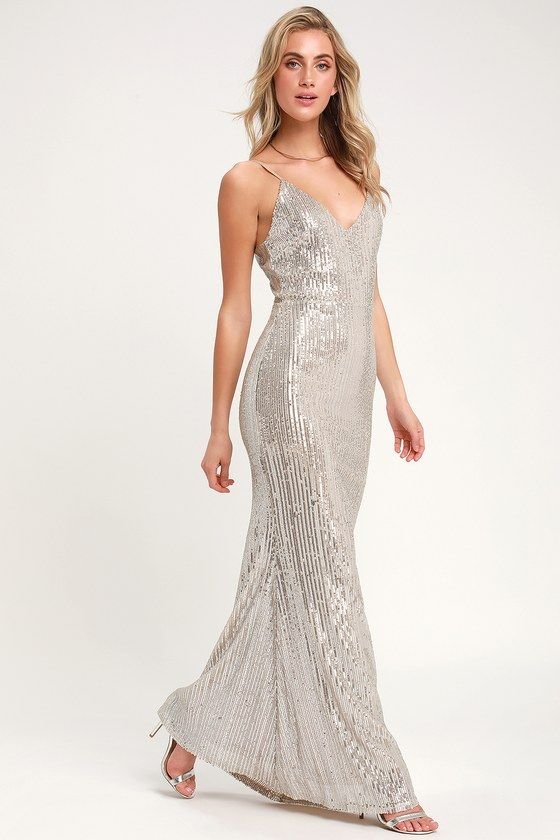
Since fabric quality is limited, styling becomes a performance tool rather than an accessory choice. In aesthetic optimization under constraints, the goal is to elevate perception, not replace fabric quality.
Footwear Strategy: Controlling Visual Balance
Shoes play a critical role in stabilizing the look.
Best choices:
- nude heels for seamless elongation
- clear straps for minimal interruption
- soft metallic tones for controlled harmony
Avoid overly decorated shoes, as they compete with sequin or shimmer textures.
Makeup Strategy: Preventing Visual Overload
In fashion color psychology, silver already provides high brightness, so makeup must balance rather than amplify.
Recommended approach:
- soft matte base for contrast control
- neutral or cool-toned eyeshadow
- subtle highlight instead of heavy shimmer
- balanced lip tones (rosy nude or soft mauve)
The goal is harmony, not duplication of shine.
Hair Strategy: Structural Stability
Hair helps define overall visual structure.
Effective styles include:
- sleek ponytails for modern sharpness
- low buns for elegance and control
- soft waves for romantic balance
Avoid excessive volume, which can disrupt proportion balance in reflective outfits.
Common Mistakes in Buying Silver Prom Dresses Under $100
In consumer expectation vs reality gap, most mistakes come from misinterpreting fabric quality through online images.
Mistake 1: Expecting Luxury Metallic Shine
Not all silver is metallic. In budget fashion, shine is often simulated. Expecting mirror-level reflection leads to disappointment.
Mistake 2: Ignoring Fabric Behavior in Lighting
A dress that looks good in studio lighting may behave differently under real prom conditions. Lighting changes everything in reflective surface material limitations.
Mistake 3: Over-Accessorizing
Budget silver dresses already contain strong visual texture. Adding heavy jewelry creates visual noise instead of elegance.
Mistake 4: Choosing Wrong Silhouette for Fabric Type
Not all cuts work well with sequin or satin-based silver. Poor silhouette choice can reduce overall aesthetic quality even if the dress itself is good.
Discover Silver Prom Dresses at Argenté
At Argenté, silver prom dresses are designed with a focus on controlled visual impact rather than exaggerated shine. Instead of relying solely on reflection, each design considers structure, movement, and lighting interaction as a complete system.
The collection includes:
- structured sequin gowns for bold visual presence
- satin-inspired silver dresses for soft elegance
- minimalist silhouettes for refined modern styling
In fashion silhouette perception theory, every dress is engineered to maintain balance between fabric behavior and body proportion, ensuring that even simplified designs maintain a polished and intentional look.
Conclusion
A silver prom dress under $100 is absolutely achievable, but it comes with clear material limitations. At this price point, silver is no longer about luxury metallic fabrication but about visual interpretation through sequins, satin finishes, or printed shimmer effects.
The key to success is understanding that budget silver dresses rely heavily on styling, lighting, and proportion control. When these elements are managed correctly, even an affordable dress can deliver a confident and visually striking prom look.
In many cases, the difference between metallic silver and gray prom dresses becomes even more important in this price range, because gray often provides more stable elegance, while silver provides more dramatic visual energy.
At Argenté, the focus is not just on color, but on how fabric, light, and silhouette work together to create intentional fashion identity, regardless of budget level.