Understanding how to care for your silver prom dress is an essential part of owning any formal gown, especially when the dress includes delicate materials such as sequins, metallic satin, or glitter-coated surfaces. While most attention is usually placed on choosing the perfect prom dress for the event itself, what happens after the night is just as important. A silver prom dress is not a regular garment that can be washed casually or stored anywhere in a closet. It is a structured fashion piece designed with sensitive decorative layers that react easily to moisture, friction, heat, and even light exposure over time.
The biggest issue many people face is that the dress looks “fine” after prom night, so they assume no special care is needed. However, microscopic damage often begins immediately after wear. Sweat, perfume residue, dust, and movement stress can all weaken sequin stitching or dull metallic finishes if not treated correctly. Without proper handling, even a high-quality gown can lose its shine, shape, and visual impact much faster than expected.
This guide from Argenté provides a complete breakdown of how to care for your silver prom dress, focusing on fabric-specific cleaning techniques, safe sequin handling, metallic fabric preservation, and long-term storage systems based on real textile behavior and professional garment care principles.
Why Proper Care Matters for Silver Prom Dresses

Learning how to care for your silver prom dress starts with understanding why these dresses require a completely different care approach compared to everyday clothing. A prom dress is not designed for frequent washing or rough handling. Instead, it is engineered for short-term visual impact, meaning its materials prioritize appearance over durability.
In garment lifecycle engineering, formal dresses go through three critical phases:
- pre-event preparation (steaming, fitting, transport)
- event usage (movement, lighting exposure, friction)
- post-event preservation (cleaning and storage)
Most irreversible damage happens in the third phase because users often underestimate how fragile embellished fabrics are once the event is over.
In embellishment durability science, sequins and metallic coatings are particularly sensitive because they are surface-applied decorative systems rather than structural fibers. This means they are not integrated into the fabric itself but attached through stitching, glue, or heat bonding. As a result, they can loosen, crack, or lose reflectivity if exposed to improper cleaning methods.
Another often overlooked factor is oxidation in metallic textiles. Metallic-looking fabrics are frequently coated with thin reflective layers that can degrade when exposed to humidity, air pollution, or harsh detergents. Over time, this leads to dullness, uneven shine, or patchy reflection.
From a design perspective, Argenté treats each dress as a visual system where light interaction, fabric movement, and surface texture are carefully balanced. However, maintaining that system requires correct post-wear care, otherwise even premium craftsmanship can deteriorate prematurely.
Understanding Fabric Types in Silver Prom Dresses
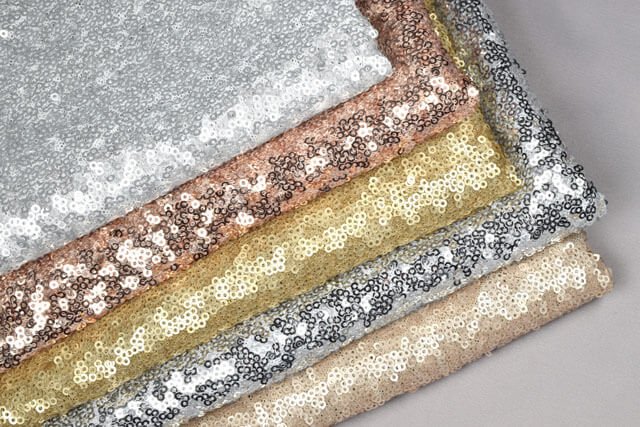
Before learning how to care for your silver prom dress, it is crucial to identify the exact fabric type, because care methods differ significantly between materials. Treating all silver dresses the same way is one of the most common causes of damage.
Sequin-Based Silver Dresses
Sequin dresses are among the most visually impactful but also the most delicate types in formalwear care systems. In sequin attachment integrity theory, each sequin is individually secured to a base fabric using stitching or adhesive, meaning the structure depends on thousands of small connection points.
Key characteristics include:
- high sparkle reflection under light
- textured surface that catches friction easily
- moderate to high garment weight depending on density
The primary risks in sequin dresses are:
- thread loosening from movement or washing
- surface scratching from rough contact
- sequin detachment during improper storage
Even minor friction can disrupt the reflective pattern, creating visible gaps in shine distribution.
Metallic Satin Dresses
Metallic satin dresses rely on a coated surface finish that gives the fabric its reflective appearance. In metallic coating sensitivity systems, this finish is extremely delicate because it sits on top of the fabric rather than being woven into it.
Key characteristics:
- smooth reflective surface with soft glow
- lightweight drape and fluid movement
- highly sensitive to heat and chemical exposure
Risks include:
- fading from strong detergents
- dulling from excessive rubbing
- surface cracking over time if improperly stored
Unlike sequins, damage in metallic satin is often irreversible because it affects the entire surface layer rather than individual points.
Glitter and Printed Metallic Fabrics
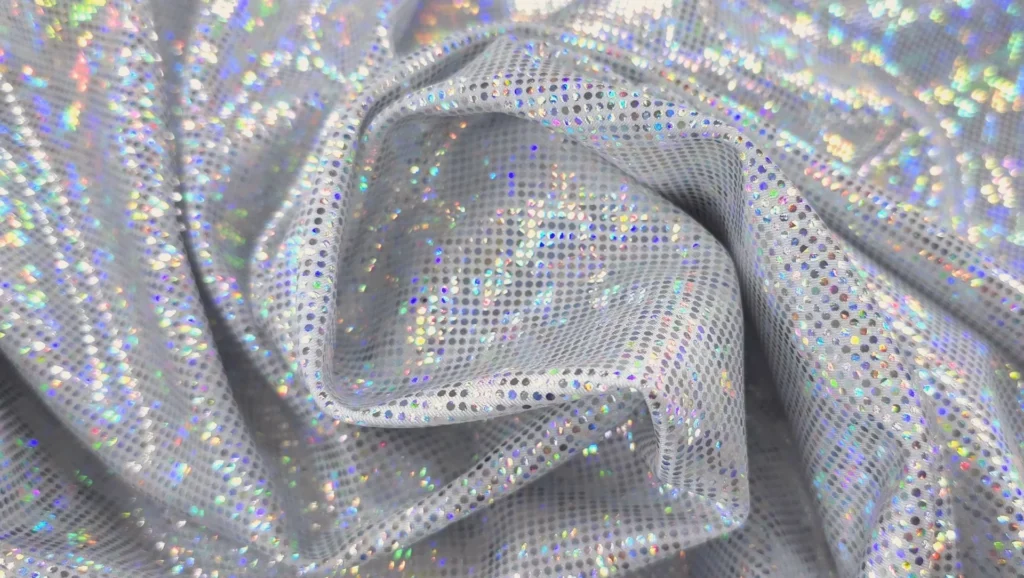
Some budget silver dresses use printed shimmer effects or glitter coatings instead of physical reflective materials. In fabric fiber degradation prevention systems, these are considered the least stable type of metallic effect.
Key issues:
- printed shine can crack after repeated bending
- glitter particles may detach over time
- reduced visual depth in lighting conditions
These fabrics require extremely gentle handling and are often best suited for minimal cleaning or professional care only.
How to Clean a Silver Prom Dress Safely
Proper cleaning is one of the most critical parts of how to care for your silver prom dress, and it is also where most damage occurs due to incorrect assumptions about durability.
When to Dry Clean vs Hand Wash
In delicate fabric handling protocols, dry cleaning is generally the safest method for most silver prom dresses, especially those with heavy embellishment or structured construction.
Dry cleaning is recommended when:
- the dress contains sequins or beads
- metallic coating is present
- fabric is layered or heavily structured
Professional cleaners use controlled solvents that remove stains without aggressive mechanical action, reducing the risk of surface damage.
Hand washing may be acceptable only for:
- simple satin dresses with minimal decoration
- light stains on non-coated fabrics
- very low-risk garments with no embellishments
However, even hand washing must be performed with extreme care, avoiding twisting, wringing, or scrubbing.
Spot Cleaning for Localized Stains
In stain removal precision systems, targeted cleaning is preferred over full garment washing whenever possible.
Safe approach includes:
- using a soft microfiber cloth
- applying mild detergent diluted in water
- gently dabbing rather than rubbing
This method reduces exposure of the entire garment to moisture while still addressing visible stains effectively.
Cleaning Sequin Dresses Without Damage
Sequin dresses require specialized handling in sequin maintenance engineering systems.
Key principles:
- never scrub directly across sequin surfaces
- avoid soaking the entire garment in water
- clean in sections if necessary
Friction is the biggest threat, not water itself. Even soft brushing can loosen stitching if applied incorrectly.
Common Cleaning Mistakes to Avoid
In cheap formalwear damage analysis, most dress failures come from simple but critical errors such as:
- machine washing delicate dresses
- using strong chemical detergents
- applying heat drying or tumble drying
- aggressive stain scrubbing on embellishments
These mistakes can permanently alter fabric structure and reduce visual quality instantly.
How to Store Your Silver Prom Dress Properly
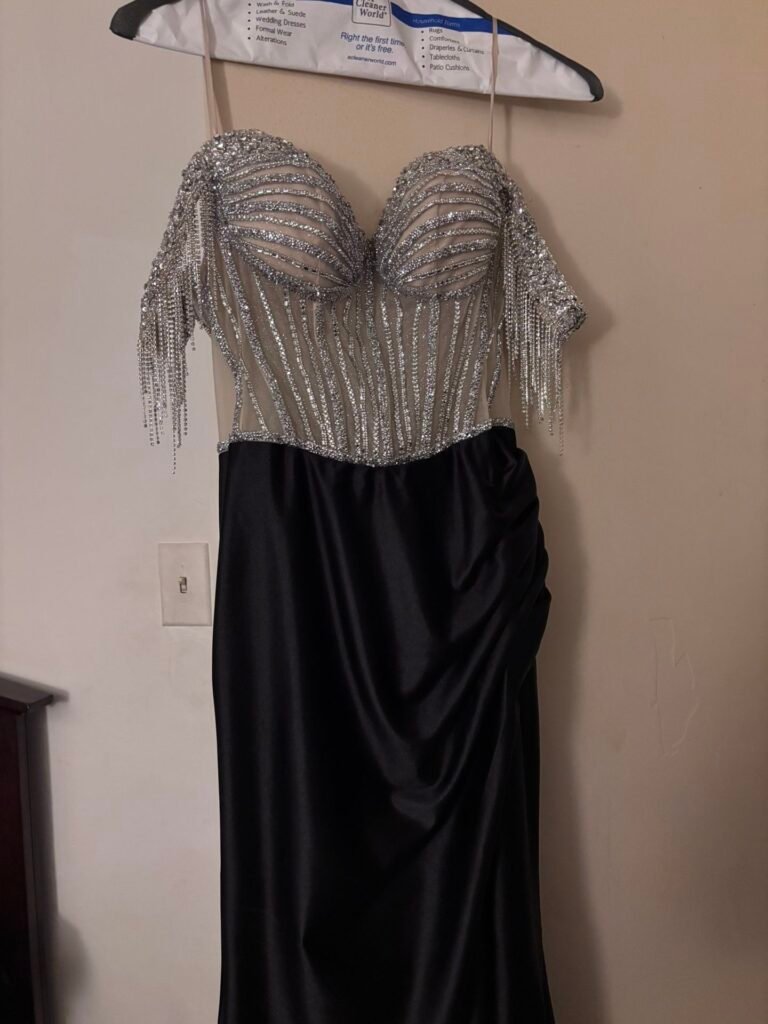
Storage is just as important as cleaning in how to care for your silver prom dress, because improper storage can slowly damage fabric even when the dress is not being worn.
Hanging vs Folding Methods
In anti-crease textile preservation systems, hanging is generally preferred for formal dresses because it maintains structural shape.
However:
- heavy sequin dresses require reinforced hanging support to prevent stretching
- satin dresses benefit from padded hangers to avoid shoulder distortion
- folding should only be used temporarily or when space is extremely limited
Improper folding can lead to permanent crease lines, especially in metallic fabrics where surface memory is weak.
Proper Storage Materials
In wardrobe archival care systems, material choice matters significantly.
Recommended storage includes:
- breathable cotton garment bags
- acid-free tissue paper for layering
- padded hangers for weight distribution
Avoid plastic covers because they trap moisture, which can lead to oxidation or fabric discoloration over time.
Moisture and Environment Control
In humidity control textile preservation, environmental conditions are a major factor in fabric longevity.
High humidity environments can cause:
- metallic dulling
- mold risk in fabric layers
- odor absorption
A cool, dry, and ventilated space is ideal for long-term storage of silver prom dresses.
Protecting Metallic Fabrics from Long-Term Damage
Continuing the topic of how to care for your silver prom dress, one of the most overlooked aspects is long-term preservation of metallic fabrics. Even when a dress appears clean after prom night, the materials are still undergoing slow structural changes influenced by air, humidity, and storage conditions.
In metallic coating sensitivity systems, silver-effect fabrics are often created using ultra-thin reflective layers applied onto polyester or satin bases. These layers are not permanently stable like woven fibers. Instead, they behave like a surface film, meaning they can gradually degrade if exposed to environmental stress.
One of the most important risks is oxidation in metallic textiles. Over time, exposure to air and moisture can cause the reflective surface to lose brightness. This does not always happen immediately, but it slowly reduces shine intensity, creating a dull or uneven finish. In severe cases, the metallic effect may appear patchy, especially along folds or friction zones such as underarms, waistlines, or seams.
Another key factor is light exposure and fading risk. Many users unknowingly store their dresses in areas with indirect sunlight or strong artificial lighting. Continuous exposure to light can weaken metallic coatings and reduce reflective clarity. This is especially important for silver tones, which depend heavily on light interaction for their visual impact.
In professional garment preservation systems, the goal is to minimize:
- oxygen exposure for metallic coatings
- moisture accumulation in fabric layers
- unnecessary folding pressure on reflective surfaces
- UV and artificial light exposure during storage
When these factors are controlled correctly, the lifespan of a silver prom dress can be significantly extended without visible degradation.
Sequin Dress Maintenance and Repair Techniques

Sequin dresses require a more hands-on approach in how to care for your silver prom dress, especially when it comes to maintenance after wear. Unlike smooth fabrics, sequins introduce thousands of small attachment points that can loosen over time.
In sequin attachment integrity systems, each sequin is secured using stitching threads or adhesive backing. This means that even minor stress can gradually weaken the structure.
Preventing Sequin Loss
The most effective prevention strategy begins immediately after wearing the dress. Before storing it, the garment should be inspected carefully under good lighting.
Key focus areas include:
- hemline and hem folds
- underarm and side seams
- neckline embellishment zones
- high-movement areas
In these regions, sequins are more likely to loosen due to friction during walking or dancing. Catching early signs of damage allows for simple repairs before they worsen.
Repairing Loose Embellishments
In fabric fiber restoration techniques, minor sequin issues can often be repaired without professional intervention if handled carefully.
Typical repair methods include:
- reinforcing loose threads with fine needle stitching
- reattaching detached sequins using matching thread
- securing weak points along seams
However, it is important not to over-tighten stitching, as this can distort fabric tension and create uneven pulling patterns.
For high-density sequin dresses, professional repair is recommended because incorrect stitching can disrupt the overall visual symmetry of the design.
Safe Handling During Wear and Storage
Sequin damage often begins during movement rather than cleaning. In embellishment durability science, friction is the primary cause of long-term degradation.
To minimize risk:
- avoid rubbing against rough surfaces
- do not fold sequins inward tightly
- store dress so sequins are not compressed
Even small pressure points can flatten or misalign reflective surfaces, reducing overall shine consistency.
Travel Care for Sequin Dresses
If a silver prom dress needs to be transported, additional precautions are required.
In garment mobility protection systems, dresses should be:
- placed in breathable garment bags
- laid flat when possible
- separated from heavy items that can compress embellishments
Travel-related damage often occurs due to stacking pressure or folding stress, not actual wear.
Post-Prom Dress Care Routine
Understanding how to care for your silver prom dress is incomplete without a structured post-event routine. The first 24 to 48 hours after wearing the dress are the most critical for preservation.
Immediate Cleaning After Event
Even if the dress looks clean, it has likely been exposed to:
- sweat
- perfume particles
- dust from movement
- environmental moisture
In fabric contamination control systems, these elements can slowly degrade fibers if left untreated.
The ideal approach is:
- gently air the dress for a few hours
- avoid sealing it immediately in plastic
- inspect for stains or weak points
This prevents trapped moisture from damaging metallic surfaces.
Inspection for Damage or Weak Points
A full inspection should always be done before storage. In garment lifecycle assessment, early detection of damage is key to long-term preservation.
Check for:
- loose sequins or beads
- minor fabric pulls
- discoloration spots
- weakened seams
Addressing these issues early prevents long-term deterioration.
Preparing for Long-Term Storage
Once cleaned and inspected, the dress should be prepared for controlled storage.
In wardrobe archival systems, preparation includes:
- ensuring complete dryness
- adding protective tissue layers in folds
- using breathable garment covers
Proper preparation reduces stress on fabric fibers during long storage periods.
Common Mistakes in Caring for Silver Prom Dresses
Many issues in how to care for your silver prom dress come from well-intentioned but incorrect habits.
Machine Washing Delicate Fabrics
One of the most damaging mistakes is machine washing. In delicate fabric failure analysis, mechanical spinning can:
- detach sequins
- distort metallic coating
- stretch structured seams
Even gentle cycles are not safe for most prom dresses.
Using Harsh Detergents
Strong detergents can break down surface coatings in metallic fabrics. In chemical sensitivity textile systems, this leads to:
- fading shine
- dull surface texture
- weakened fiber structure
Mild, fabric-safe solutions are always required.
Improper Hanging Techniques
Using thin or non-padded hangers can distort shoulder structure. Over time, this creates permanent deformation in the dress silhouette.
Storing in Plastic Without Breathability
Plastic covers trap moisture. In humidity control textile preservation, this increases the risk of:
- oxidation
- odor retention
- mold formation
Breathable materials are always preferred for long-term storage.
How Fashion Brands Preserve Dress Quality Standards
In professional design environments, care instructions are considered part of the garment lifecycle. At Argenté, how to care for your silver prom dress is integrated into design thinking from the beginning.
In couture preservation systems, high-quality dresses are built with:
- reinforced stitching at stress points
- controlled embellishment density
- fabric treatments designed for stability
This means proper care is not just maintenance, but continuation of the design intent.
A well-made dress is designed not only to shine on prom night, but also to survive post-event handling with minimal degradation when treated correctly.
Discover High-Quality Silver Prom Dresses at Argenté
Argenté designs silver prom dresses with a focus on both visual impact and long-term durability. Each piece considers how fabric interacts with light, movement, and environmental exposure, ensuring that the dress remains beautiful beyond a single wear.
The collection includes:
- structured sequin gowns engineered for secure embellishment retention
- metallic satin dresses designed for controlled reflective stability
- lightweight silver silhouettes optimized for reduced stress on fabric
In fashion garment lifecycle engineering, every design is tested not only for appearance but also for how it behaves during cleaning, storage, and long-term preservation.
Conclusion
Understanding how to care for your silver prom dress is essential if you want to preserve both its visual beauty and structural integrity. These dresses are built from delicate materials such as sequins and metallic coatings, which require careful handling after wear.
The most important principles include avoiding harsh cleaning methods, protecting embellishments from friction, and storing the dress in breathable, controlled environments. Small mistakes such as machine washing or improper storage can permanently damage the shine and structure of the garment.
When treated correctly, a silver prom dress can maintain its elegance far beyond the prom night itself. Care is not just maintenance, but a continuation of the craftsmanship behind the design.
At Argenté, every dress is created with the understanding that beauty should last beyond a single event, and proper care is what ensures that longevity remains possible.